For the ones who run toward what others run from.
Firefighters, EMS, police, dispatchers, and emergency personnel carry the weight of repeated critical incidents. The culture is tough, but asking for support is a sign of strength — not weakness. Here is trusted, confidential help built for the job you do.
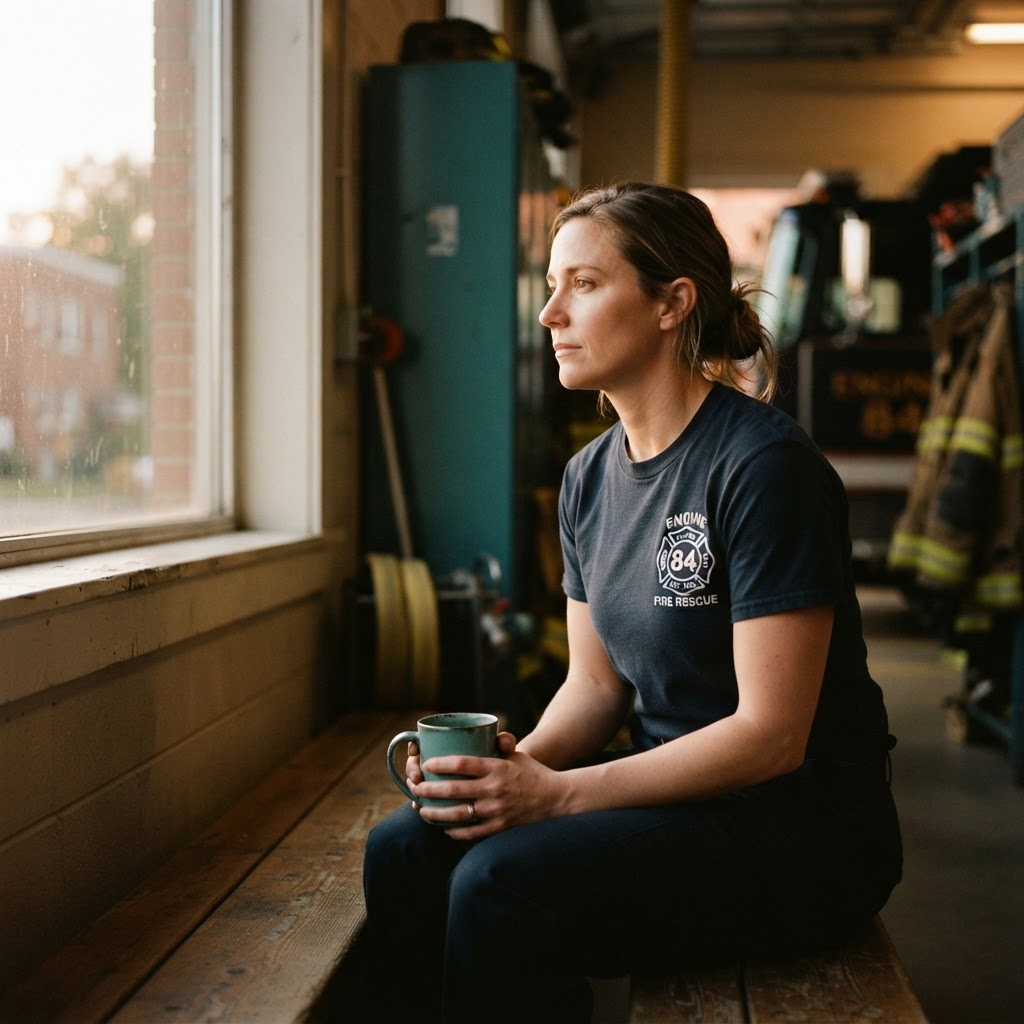
How are you feeling?
Tap what fits right now to find honest guidance and ways to get help.
Common challenges
What people in your world often face.
- Cumulative exposure to trauma and critical incidents
- Post-traumatic stress and hypervigilance off duty
- Sleep disruption from shift work and on-call demands
- Emotional numbing and difficulty connecting at home
- Stigma around admitting you are struggling
- Higher risk of burnout, substance use, and compassion fatigue
Signs you may need support
If several of these feel familiar, reaching out can help.
- Replaying calls or intrusive memories you cannot shut off
- Irritability, anger, or a shorter fuse than usual
- Pulling away from family, crew, or things you used to enjoy
- Relying on alcohol or substances to wind down
- Trouble sleeping, nightmares, or constant exhaustion
- Feeling hopeless, detached, or like a burden to others
Crisis support
Free and confidential. If you are in immediate danger, call 911 or go to the nearest emergency room.
Peer support options
Connection with people who get it.
Department peer support teams
Many agencies have trained peer support members who have been where you are. Ask your union rep or wellness coordinator how to connect confidentially.
Share the Load (NVFC)
A behavioral health program for firefighters and EMS with a helpline, text support, and resources built for the fire service.
Frontline Responder communities
Peer groups where responders talk openly about the calls that stay with them — no jargon, no judgment.
Trusted national resources
Vetted organizations built for you.
SAMHSA First Responders
Federal resources on stress, trauma, and behavioral health for responders.
Visit resourceIAFF Center of Excellence
Specialized treatment for fire fighters and paramedics facing PTSD and addiction.
Visit resourceFirst Responder Support Network
Retreats and peer programs for responders and their families.
Visit resourceSimple coping tools
Practical techniques you can use today.
Tactical breathing
Breathe in for 4, hold for 4, out for 4, hold for 4. Used to reset the nervous system between calls.
Post-incident decompression
Build a 10-minute ritual after a hard shift — a walk, a shower, a call to someone safe — to signal your body that duty is over.
Sleep anchors
Protect a consistent wind-down routine even on rotating shifts. Dark, cool, screen-free before rest.
How to support someone
When a fellow responder is struggling, checking in can change everything.
- 1Ask directly and privately: "How are you really doing?"
- 2Listen without trying to fix or one-up the story.
- 3Normalize support — remind them peer help is confidential.
- 4Offer to make the first call or sit with them while they do.
- 5Follow up in a few days. One conversation is a start, not a finish.